Introduction
In a world where accidents and emergencies can strike anytime, the ability to respond efficiently is not simply a property-- it's a need. First aid training outfits people with the skills and expertise needed to act emphatically in essential circumstances. Whether it's a minor injury, a medical emergency, or recognizing just how to stop crashes, emergency treatment education and learning plays a pivotal role in community health and wellness. This article explores the value of first aid training, its background such as the starting of St John Rescue, numerous abilities one can find out, and exactly how these competencies empower communities.
Empowering Areas Through First Aid Training: Abilities forever and Safety
First aid training is more than simply discovering exactly how to treat injuries; it has to do with fostering a society of safety and security and preparedness within communities. By equipping individuals with crucial abilities, neighborhoods end up being much more durable in encountering emergencies. Such training emphasizes practical applications like treating minor injuries on yourself or others, understanding when to seek expert assistance, and recognizing how to operate critical safety equipment local first aid training Port Macquarie like fire extinguishers.
The Function of Emergency treatment Training in Neighborhood Health
First aid training acts as a cornerstone in promoting total community health. It aids raise recognition regarding usual injuries and illnesses while teaching important reaction techniques that can conserve lives. People learnt emergency treatment are frequently better outfitted to handle circumstances varying from cooking area blade cuts to significant events during bushfire season injuries.
Creating Healthier Communities
Communities that focus on first aid training reveal reduced rates of extreme injuries and deaths throughout emergency situations. Enlightened citizens can quickly evaluate situations, offer instant treatment, and reduce the severity of an injury while waiting for expert clinical assistance.
Founding of St John Ambulance: A Historic Perspective
The value of first aid training is highlighted by organizations such as St John Ambulance, founded in the 11th century. Their goal intended to supply care for the sick and wounded throughout the Campaigns-- a worthy reason that has actually advanced with time right into contemporary emergency treatment programs.
Modern Evolution of Emergency treatment Training
Over the centuries, St John Ambulance has adjusted its training programs to satisfy modern demands. From standard life assistance strategies to sophisticated injury treatment courses, their educational program encompasses a wide range of skills essential for today's society.
Essential Home Products for First Aid Preparedness
Every family should be outfitted with vital products that assist in immediate reaction throughout emergency situations. These products create the backbone of any type of portable package or home-first-aid supply.
Creating Your Portable Kit
A well-stocked portable package is crucial for responding swiftly throughout emergencies:
- Adhesive Bandages: For small cuts and scrapes. Antiseptic Wipes: To tidy wounds. Gauze Pads: For bigger injuries needing pressure. Elastic Bandage: Useful for sprains or strains. Scissors: To cut tape or clothing away from wounds.
By having these items easily available, you equip on your own-- and your family members-- to act promptly when it matters most.
Essential Household Items Checklist
|Item|Objective|| ---------------------------|----------------------------------|| Adhesive Bandages|Treat small cuts|| Disinfectant Lotion|Stop infection|| Gauze Pads|Apply pressure on bigger injuries|| Immediate Cold Packs|Lower swelling|| Scissors|Cut bandages/clothing|
Fall Avoidance Tips for Home Safety
First Aid Courses Port MacquarieFalls are among the leading sources of injury in families across numerous demographics. Thus, implementing effective fall avoidance approaches is crucial.
Recognizing Danger Factors
Common danger factors include:
- Cluttered walkways Poor lighting Loose rugs
Addressing these areas can significantly lower fall risks within homes.
Practical Steps to Prevent Falls
To create a much safer living environment:
Ensure ample lights throughout your home. Remove tripping hazards such as loosened rugs or clutter. Install grab bars in washrooms near toilets and showers. Use non-slip mats in damp areas.Gaining Consent in Different Communities
Understanding cultural subtleties when gaining consent for therapy can make all the difference in effective emergency treatment delivery.
Cultural Level of sensitivity Matters
Different neighborhoods might have distinct ideas relating to health and wellness treatments. It's vital to come close to each situation professionally and guarantee educated approval before administering any kind of treatment.
Recognising Pet dog Distress During Emergencies
Pets are household as well! Understanding how to acknowledge animal distress is an additional important facet of area health and wellness education.
Identifying Signs of Distress in Pets
Pets might display different indicators suggesting discomfort or pain:
- Whining or whimpering Excessive panting Hiding behavior
Being able to determine these indications enables family pet owners-- and very first responders-- to provide prompt assistance when needed.
Basic Emergency treatment Skills for Pets
Just as human beings require care throughout emergencies, family pets need attention too:
Keep your animal calmness-- talk softly. Assess any type of visible injuries carefully. Apply stress if there's bleeding yet guarantee you're secure from bites!Treating Minor Injuries on Yourself: A Detailed Guide
Accidents happen; recognizing just how to treat yourself efficiently can relieve discomfort while stopping additional complications.
Steps for Self-Treatment After an Injury
Clean the injury utilizing soap and water. Apply antiseptic cream liberally. Cover with a sterilized bandage if necessary. Monitor for indications of infection-- redness or raising pain may suggest problems.When Ought to You Look for Expert Help?
If you experience serious discomfort or notification uncommon symptoms post-injury (like fever), get in touch with health care specialists promptly!
Bushfire Period Injuries: Readiness Strategies
With environment adjustment leading us into significantly serious bushfire seasons, being prepared is more important than ever!
Common Bushfire Season Injuries
During fires:
- Burns are common as a result of warm exposure. Smoke inhalation poses serious respiratory system risks.
Understanding how to manage these injuries efficiently conserves lives!
Emergency Feedback Strategies During Fires
Move away from smoke inhalation areas right away-- look for fresh air! Cool burns under running water (not ice). If trapped inside during fire events-- seal windows & & doors tightly!Kitchen Knife Cuts: Handling Culinary Mishaps Safely
Accidents occur even in our kitchens! Recognizing exactly how best to manage them makes sure a smoother recuperation procedure after cooking mishaps occur!
Immediate Activities Complying with Kitchen Blade Cuts
Rinse under great running water-- do not utilize ice! Apply direct pressure using clean towels up until hemorrhaging stops-- raise above heart level when possible! 3. For deep cuts calling for stitches-- seek medical focus promptly!Prevention Strategies for Cooking area Safety
To reduce threats:
1) Constantly utilize sharp knives (they're much safer!) 2) Store knives effectively out-of-reach from children! 3) Think about cutting boards & & proper cutting techniques!
First Aid Awareness Campaigns
Raising understanding about emergency treatment with campaigns promotes area involvement and promotes safety methods efficiently throughout populations.
Key Facets Of Effective Campaigns
Successful projects focus on outreach techniques consisting of:
1) Workshops-- hands-on presentations engage individuals actively! 2) Social network engagement drives widespread understanding rapidly! 3) Collaborating with regional organizations reinforces initiatives' reach!
Engaging Neighborhood Outreach
Community involvement enhances effectiveness dramatically! Encourage involvement through neighborhood institutions & & companies!
Fire Extinguisher Operation: A Critical Skill
Knowing exactly how-- and when-- to make use of fire extinguishers can indicate life-or-death scenarios throughout emergencies!
Understanding Fire Classifications
Fires are categorized right into courses based on combustible products involved (A, B, C, D, K):
Class A: Ordinary combustibles (timber, paper)

Class B: Flammable liquids (oils, gases)
Class C: Electrical fires
Class K: Food preparation oils/fats
Using Fire Extinguishers Effectively
Follow this acronym "PASS":
P - Pull pin, A - Goal low, S - Press take care of, S - Sweep side-to-side
Ensuring everyone recognizes this method boosts readiness tremendously!
Common Misconceptions About First Aid Training Debunked
There are many false impressions surrounding first-aid techniques! Establishing these straight assists enhance recognizing remarkably!
Myth # 1: Only Professionals Can Provide First Aid
This could not be even more from reality! Anybody experienced appropriately holds important skills capable of saving lives efficiently!
Myth # 2: mouth-to-mouth resuscitation Is Only Needed For Cardiac Arrest Victims
Incorrect once again! Mouth-to-mouth resuscitation benefits any person who isn't taking a breath sufficiently regardless if heart problems exist or not!
FAQs Regarding Empowering Areas With First Aid Training
1. What is included in basic emergency treatment training?
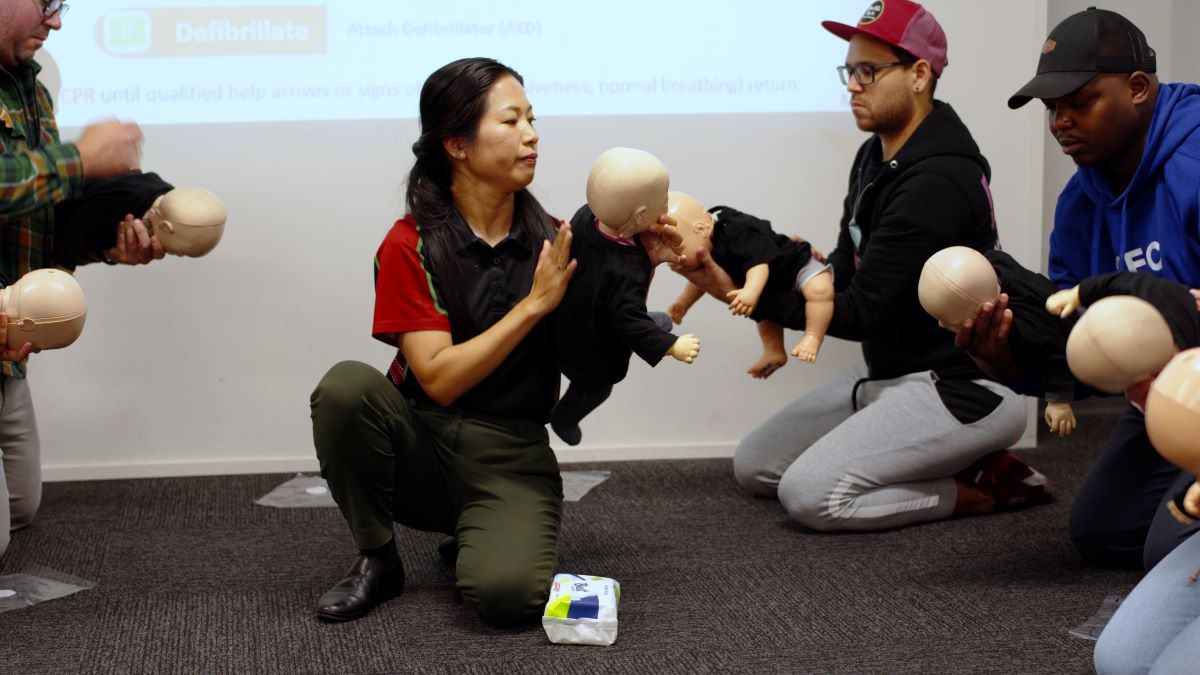
Basic emergency treatment training generally consists of topics like mouth-to-mouth resuscitation basics, injury care methods, acknowledging stroke symptoms etc, completing extensive skillsets essential across numerous scenarios!
2. Just how often should I freshen my knowledge?
It's recommended every 2 years at minimum; however yearly updates make certain familiarity stays intact specifically offered advancing standards within health care areas routinely change procedures accordingly!
3. Are there age restrictions?
Most organizations offer programs suitable across ages-- from children finding out fundamental concepts right up adults tackling innovative logistics behind injury management successfully!
4. Where can I discover local classes?
Check trustworthy organizations like St John Ambulance or Red Cross-- they frequently host programs nationwide alongside on the internet resources available comfortably too!
5. Do I need certification after finishing these courses?
While accreditations aren't mandatory almost everywhere; gaining them boosts qualifications considerably allowing individuals go after additional roles within emergency situation services later down road appropriately relying on interests sought after that!
6. What ought to I do if someone refuses help?
Respect their dreams; nevertheless express worries clearly specifying risks entailed indicating genuine desire aid whilst keeping lines communication open instead of forcing interventions which might escalate tension unnecessarily rather promoting understanding appropriately!
Conclusion
Empowering neighborhoods through emergency treatment training produces ripple effects that enhance public wellness end results greatly! By growing understanding around emergency feedback strategies-- from dealing with minor injuries on yourself all means browsing complexities associated obtaining consent within diverse backgrounds-- it cultivates resilience jointly across populations making certain readiness prevails in the middle of unpredictabilities life throws our means ultimately protecting lives successfully moving forward together collaboratively harmoniously flourishing towards brighter more secure futures ahead unquestionably guaranteed proving very useful financial investments made today will pay dividends tomorrow positively influencing plenty of lives endlessly forever!